

Understanding Gen Z fashion trends today means recognizing that style is no longer just about what looks good. It is about identity, creativity, and honesty. Members of Generation Z—young adults and teens born roughly between the late 1990s and early 2010s—are reshaping the fashion world not by mimicking runways but by making looks personal, expressive, and accessible. Across social media, boutiques, street style, and retail shelves, this generation is setting trends that reflect values, sustainability, nostalgia, and individuality.
Fashion moves quickly, but Gen Z has its own pace and logic. Trends rise through short‑form videos, viral style clips, thrift finds, and community conversations. This generation is redefining what it means to dress well, blending influence with emotion, digital culture, and real‑life experiences. Whether you are curious about what Gen Z is wearing or looking for practical ways to integrate these trends into personal wardrobes, this guide breaks down the most important style movements shaping Gen Z fashion now.
What Makes Gen Z Fashion Different
Gen Z does not approach fashion the way previous generations have. Instead of waiting for designers to dictate what is “in,” Gen Z embraces styles that feel personal and meaningful. The emphasis here is not on fitting into one defined look but on mixing elements that resonate with individual values, memories, and identity.
This generation sees clothes as a means of communication and self‑expression. That means fashion does not just reflect trends or seasons. It reflects ideas, cultures, and emotional states. Gen Z values uniqueness over uniformity, purpose over perfection, and personal stories over polished glamour. This shift changes the way clothes are made, marketed, and worn.
Streetwear As Core Expression
Streetwear has become the backbone of Gen Z style, but it looks different in daily life than it does in fashion magazines. Instead of flashy graphics with big logos, the current streetwear aesthetic leans toward relaxed but intentional fits. Oversized hoodies, cargo pants, and loose shirts are popular because they are comfortable and adaptable.
Color plays a subtle but important role in streetwear today. Instead of loud or neon hues, many young trendsetters are choosing muted neutrals like washed beige, stone grey, off‑white, and soft mocha. These tones feel calm and wearable while still looking well‑considered. Earth tones and gentle pastels are also common, blending perfectly with relaxed silhouettes.
This mix of streetwear basics and soft color palettes results in outfits that feel effortless yet thoughtful—a core characteristic of Gen Z dressing. Clothing often feels like a building block rather than a costume. It works across settings and supports personal expression rather than overshadowing it.
Nostalgia And Y2K Revivals
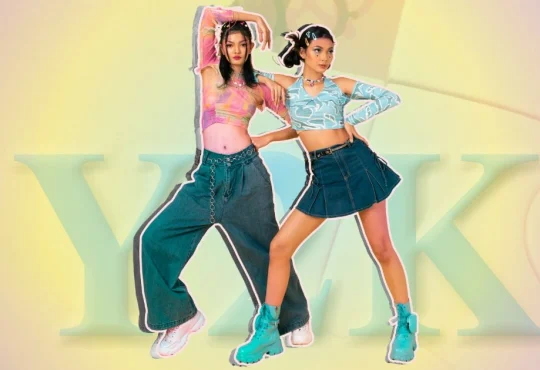
One of the most recognizable elements of Gen Z fashion trends is the resurgence of early 2000s, or Y2K, style. Low‑rise jeans, tiny sunglasses, baby tees, and playful accessories are all back but reimagined in ways that fit modern sensibilities.
These trends are more than just a throwback. They are a reinterpretation, blending familiar elements with new ideas. For example, low‑rise jeans may be paired with oversized jackets or blended with earth tones instead of bright, 2000s neon. This creates a look that’s nostalgic but still contemporary, letting wearers play with style history without feeling dated.
This nostalgia extends beyond jeans and tees. Vintage bags, retro sneakers, and thrifted pieces are reworked with modern outfits in ways that feel intentional and expressive. Gen Z does not wear nostalgia as a uniform but mixes it into wardrobes to tell a personal story.
Oversized Silhouettes And Comfort
Relaxed, oversized silhouettes continue to define youth fashion. Baggy pants, roomy blazers, wide shorts, and billowy outerwear are common, giving outfits a casual but cool feel. These styles are not just trendy but practical, prioritizing comfort without compromising style.
Oversized clothing also works across genders and fashion identities. For many, these pieces are a way to step away from restrictive fits and embrace freedom in how clothes are worn. Oversized hoodies or cargo pants can be paired with more structured pieces or kept fully relaxed for an easy aesthetic.
This silhouette trend is part of a broader shift in Gen Z style toward looks that feel lived‑in and authentic. Instead of slimming shapes that conform, oversized pieces allow space for movement and self‑expression.
Inclusivity And Gender Fluidity
Gen Z is pushing fashion toward inclusivity and fluid style boundaries. Traditional labels like “men’s” or “women’s” are becoming less important to young dressers. Instead, clothing fits get chosen based on comfort, mood, and identity rather than gendered expectations.
Unisex fits, neutral styles, and shared wardrobes are becoming more common. This shift reflects a growing understanding that fashion should be about personal expression. Clothing is used not as a signal of conformity but as a way to highlight what it means to be oneself.
This trend also opens space for new brands and designs that speak directly to a generation unafraid to blur boundaries. It changes not just what is worn but how fashion is created and marketed.
Sustainability And Ethical Choices
Sustainability remains a powerful influence on Gen Z fashion trends. Young consumers care deeply about environmental impact and ethical production. They are less drawn to fast fashion hauls and more committed to value and longevity in what they buy.
For many Gen Z shoppers, resale apps like Depop and Vinted are not just places to sell old clothes. They are primary wardrobes in themselves. Vintage and thrifted pieces carry meaning, identity, and personal history, giving outfits character and uniqueness.
This resale and sustainability focus also pushes brands to think differently. Many labels now offer transparency in supply chains, plant‑based dyes, recycled fabrics, and biodegradable packaging. Responsibility matters as much as style.
DIY Style And Personalization
Digital culture has also influenced how Gen Z approaches clothing. Rather than waiting for trends to arrive fully formed, young consumers remix, rework, and personalize what they wear. This can mean patchwork tees, custom prints, or DIY patches added to thrifted jackets.
Social media platforms like TikTok and Instagram serve as real‑time networking boards for trends. A design idea posted in one city can become a global style in hours. Micro‑trends—tiny bags, layered jewelry, or matching accessories—gain traction quickly and sometimes turn into mainstream looks.
This speed of innovation gives fashion a community feel, where individuals feel ownership over trends instead of just following them. Personalization is not just a departure from mass fashion. It is the very definition of style for many Gen Z individuals.
Top Gen Z Styles You Can Wear
Streetwear Essentials
Streetwear remains at the center of Gen Z style, but it looks refined. Think relaxed hoodies, oversized cargo pants, and simple graphic tees. Pair these with statement sneakers or vintage boots to add depth and personality to outfits.
Neutral palettes like washed beige, stone, and taupe make these pieces feel approachable and easy to wear every day. Throw in muted earth tones or pastel accents to give outfits a gentle twist without overpowering the look.
Y2K Reimagined
Revived Y2K pieces in 2026 are not exact replicas of their early‑2000s counterparts. Instead, they have been modernized with quality materials and thoughtful styling. Low‑rise jeans can be matched with oversized tees or button‑down shirts, and tiny sunglasses pair beautifully with minimalist accessories.
These outfits feel playful without looking costume‑like. They capture nostalgia while blending seamlessly with modern tastes.
Oversized Fits And Relaxed Layers
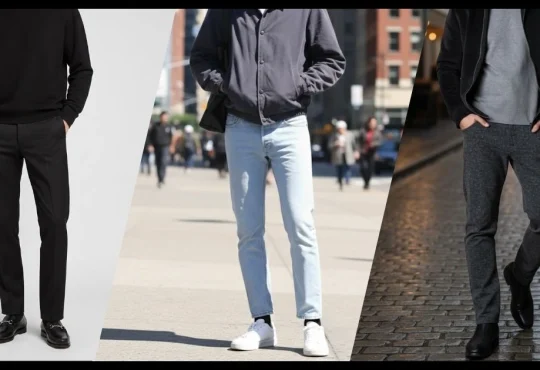
Relaxed blazers, loose sweatshirts, and baggy trousers are trending for their effortless, cool vibe. These pieces can be combined with tailored elements like slim‑fit tees or fitted boots to balance proportions.
This style is particularly appealing because it can be worn in many ways. Jeans, hoodies, cargo pants, and boxy jackets all serve as building blocks for looks that feel both relaxed and intentional.
Gender‑Neutral And Fluid Pieces
Neutral cuts, shared wardrobes, and unisex pieces reflect the generation’s embrace of inclusivity. Designers and brands are responding with collections that are less about “men” or “women” and more about identity.
Pieces like loose shirts, baggy pants, and oversized outerwear cross gender boundaries easily. This makes fashion more flexible and comfortable for everyone.
Sustainable And Vintage Finds
Secondhand markets, indie boutiques, and thrifted pieces are not just alternatives to fast fashion. They are celebrated parts of a wardrobe. Platforms like Depop and Vinted have helped make vintage styling a mainstay, encouraging shoppers to treasure clothes that have stories, history, and personality.
These finds are often mixed with newer pieces to create looks that feel balanced and expressive. A thrifted denim jacket can elevate a simple outfit, and vintage accessories can add depth and meaning to everyday wear.
Bringing It All Together
The defining theme of Gen Z fashion trends today is authenticity. Style is not about following rules or fitting a mold. It is about telling a story. Every piece, from oversized hoodies to vintage accessories, carries meaning and intent.
Instead of chasing perfection, today’s fashion culture prioritizes honesty, comfort, and expression. Loose layers, quiet colors, eclectic statements, and personalized elements create looks that feel lived in and loved. Adjusting wardrobes to these trends does not require perfection. It requires curiosity, intentionality, and a willingness to explore what feels true.
How To Wear These Trends Without Trying Too Hard
The beauty of Gen Z fashion is that it feels effortless. Key ways to bring these trends into daily style include:
- Choosing comfortable, well‑fitting staples like relaxed hoodies and oversized shirts makes outfits feel intentional.
- Mixing nostalgia pieces (like Y2K denim) with muted essentials to avoid feeling dated or costume‑like.
- Balancing oversized silhouettes with structured elements to avoid looking shapeless.
- Adding sustainable or thrifted finds to give outfits personality and depth.
- Embracing neutral palettes while using color purposefully to express mood or identity.
These practical approaches let trend elements feel natural rather than forced.
Key Takeaways From Gen Z Fashion Trends
Gen Z has turned fashion into a language of self‑expression. Rather than strictly “following trends,” this generation reshapes them to feel personal, expressive, and meaningful. From streetwear and Y2K revivals to oversized silhouettes, gender‑fluid pieces, and sustainable staples, Gen Z fashion trends reflect a creative, optimistic, and intentional approach to style. By blending comfort, history, and individuality, this generation is redefining what it means to dress well.
If you want help putting together looks based on your own lifestyle and values, a personalized styling guide can make navigating these trends even easier.